Cold water and cold air are two different problems — and drytops and drysuits solve them differently. Here's how to tell which one you need.
Drytops
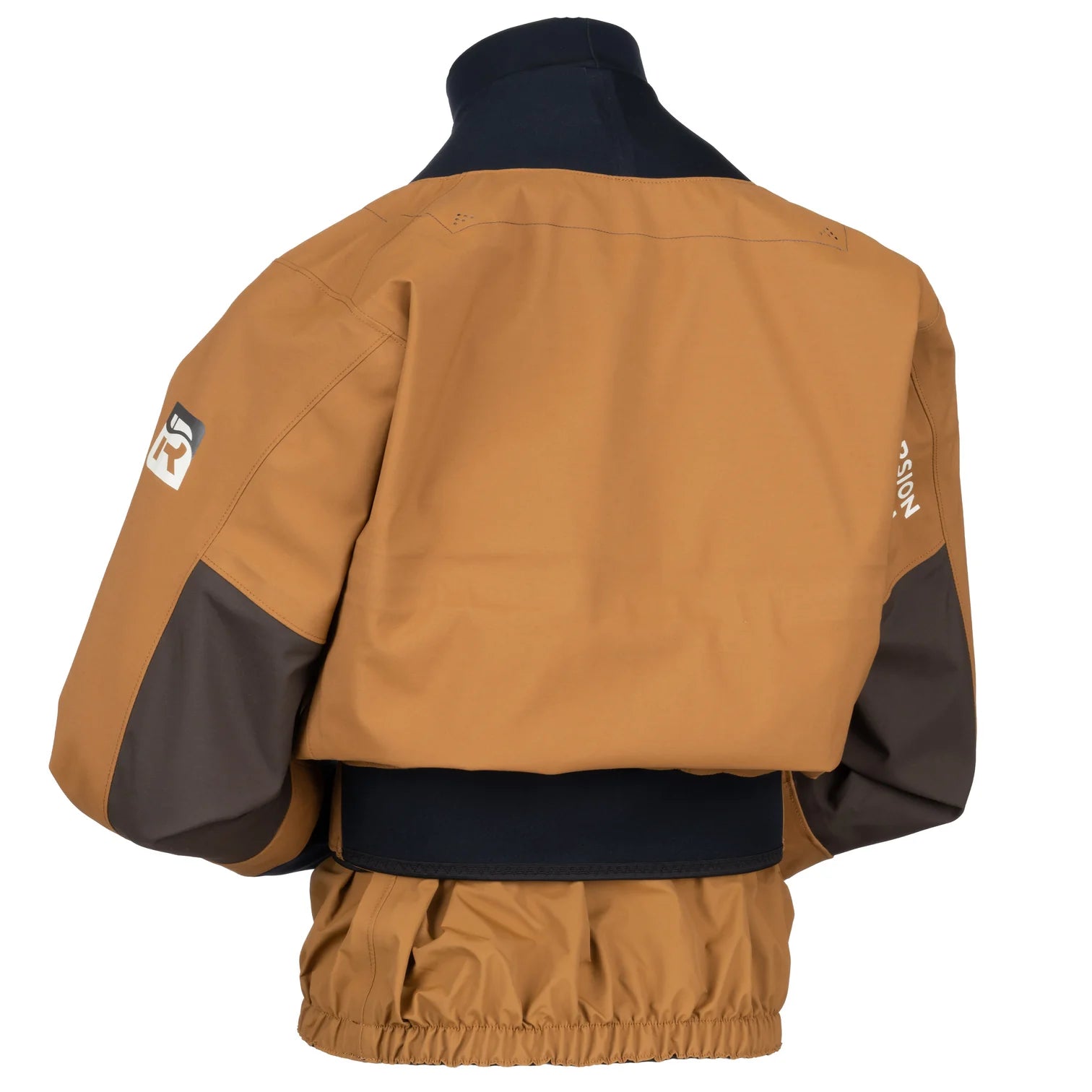
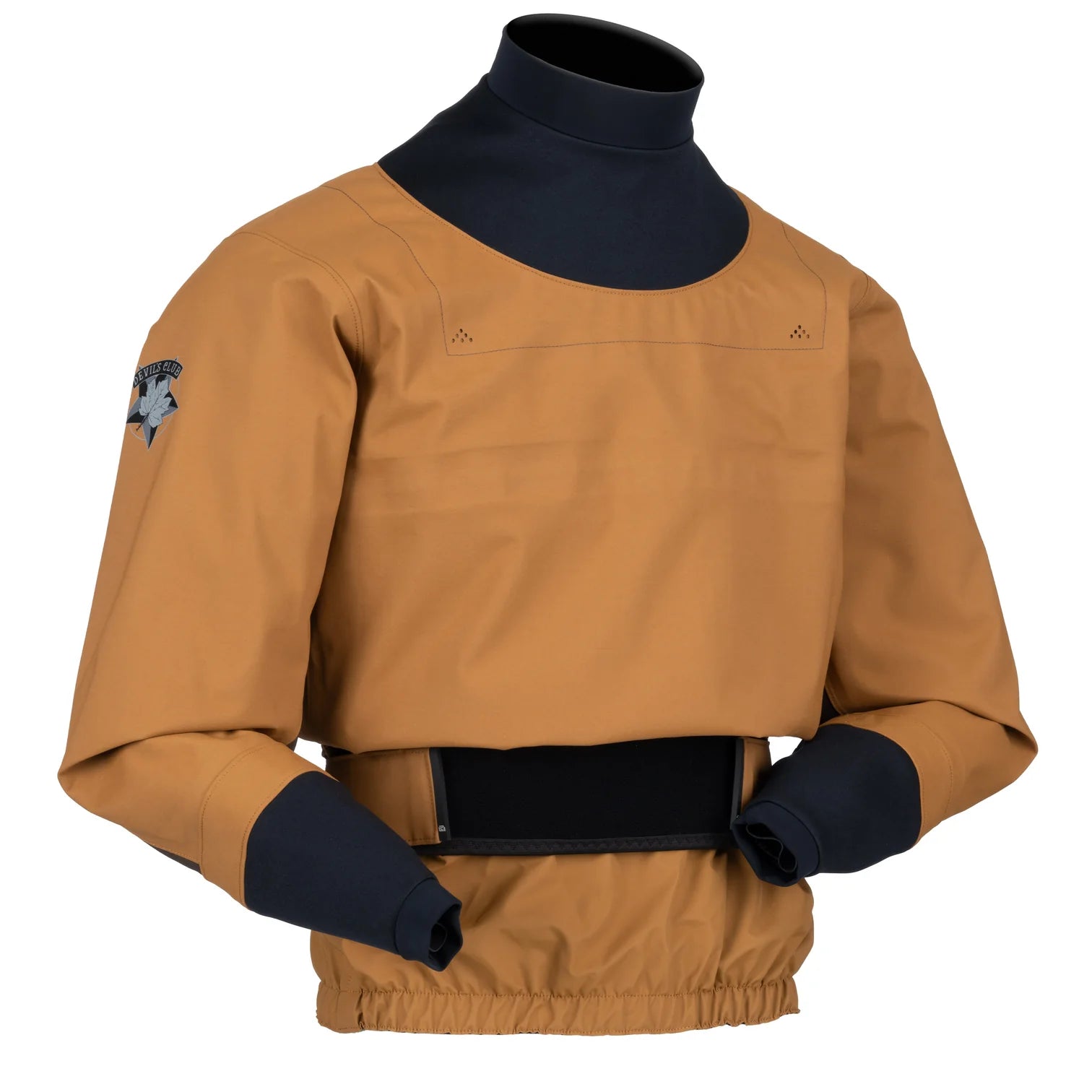
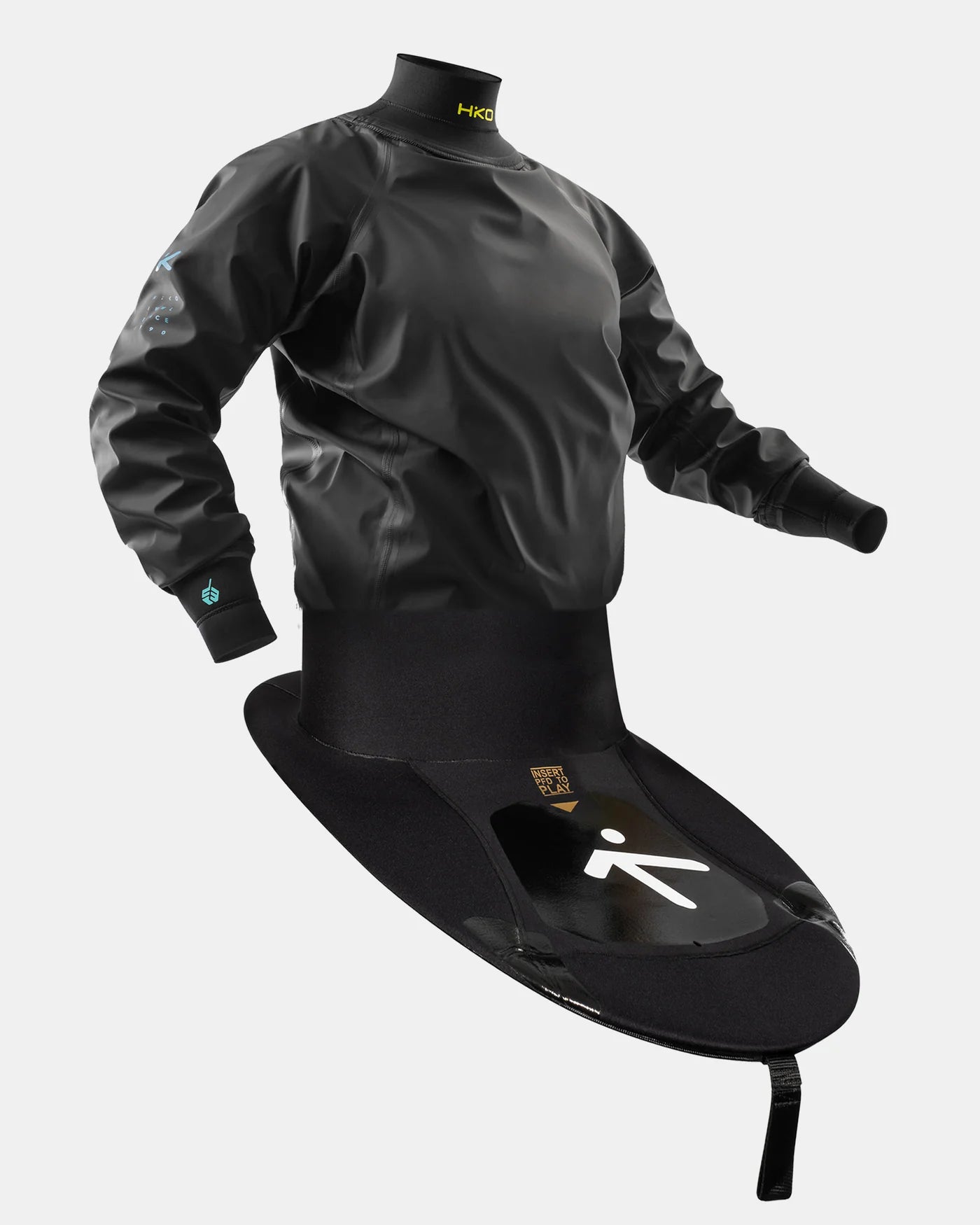
Keeps your upper body dry. Pair it with separate bottoms for your legs.
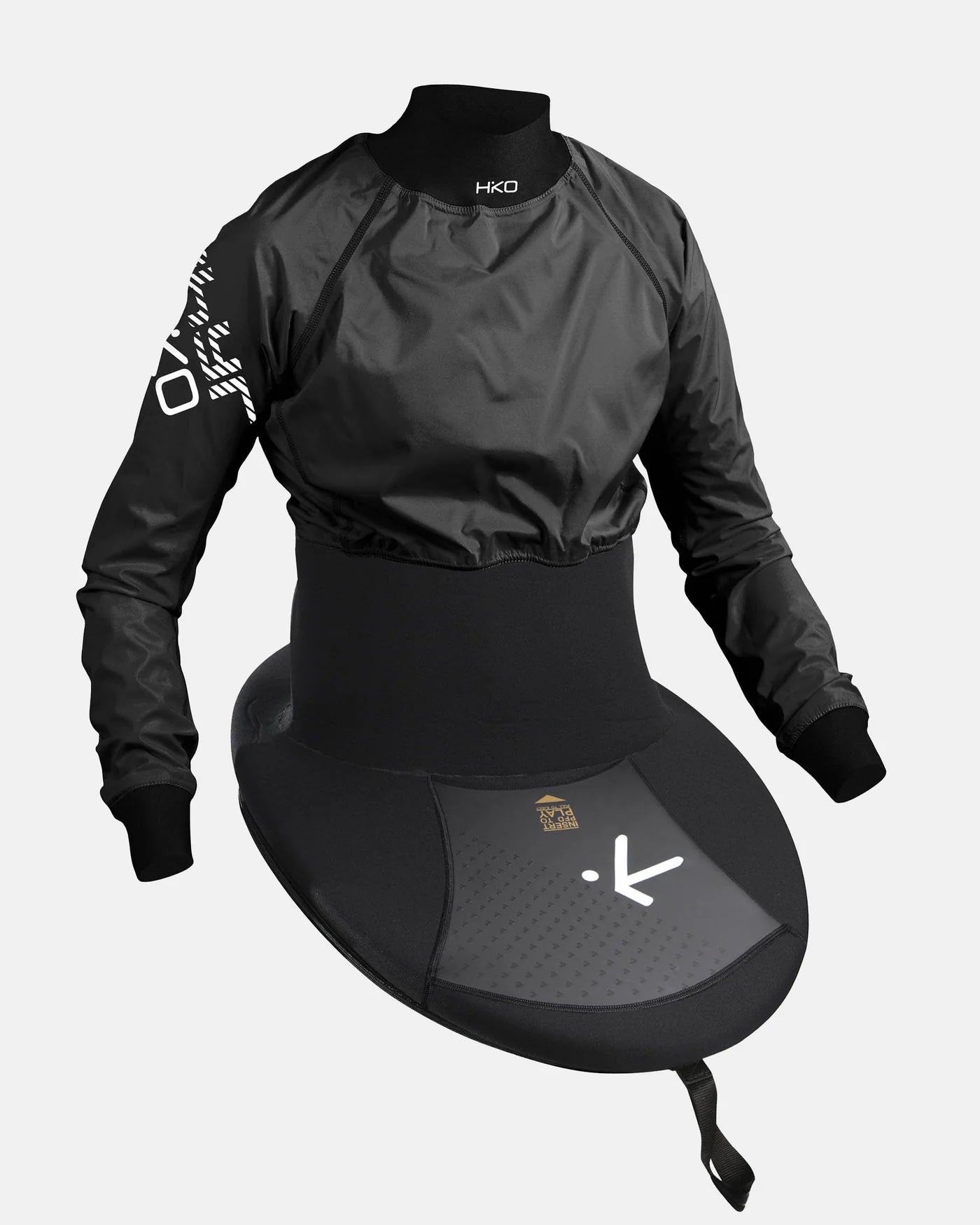
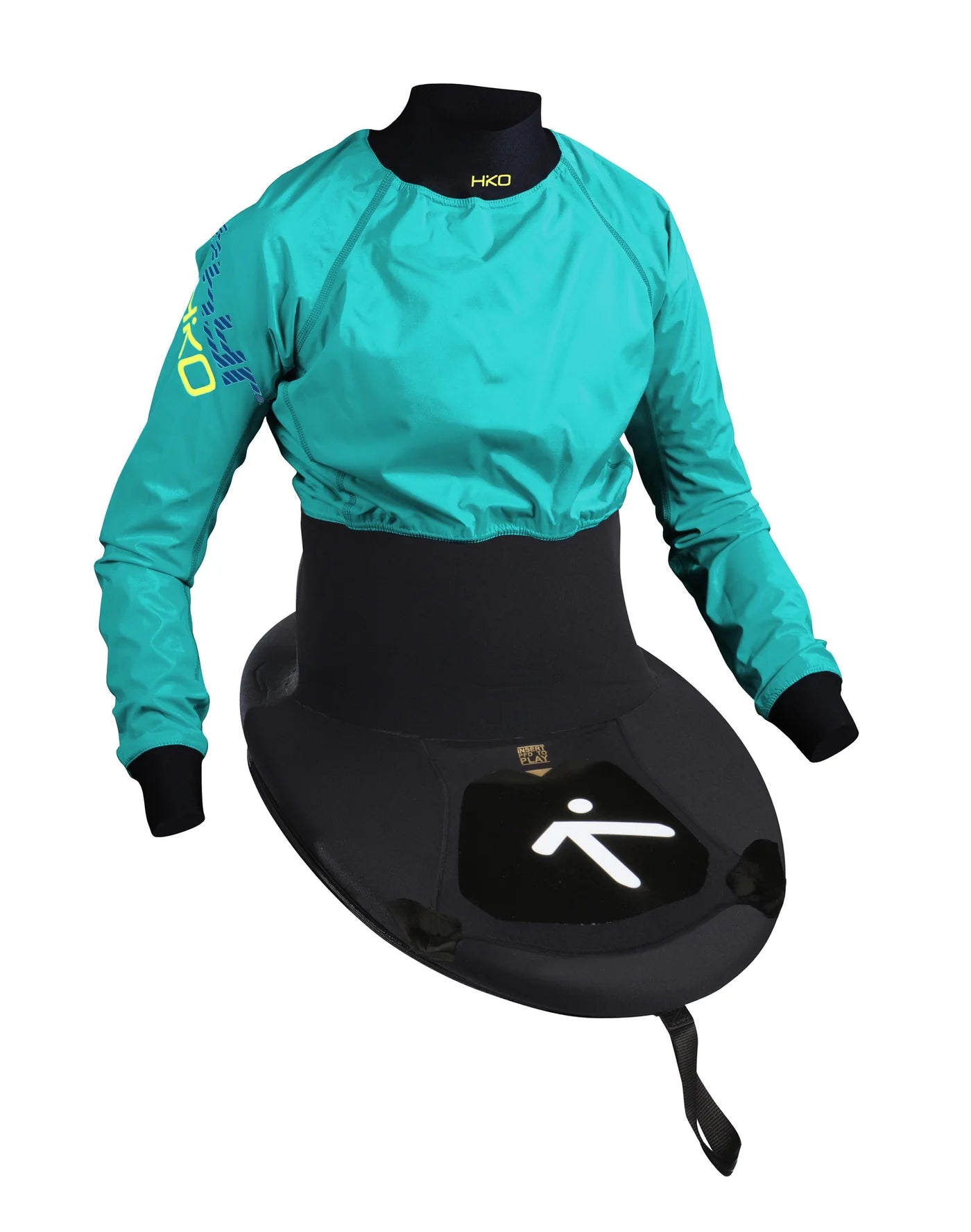
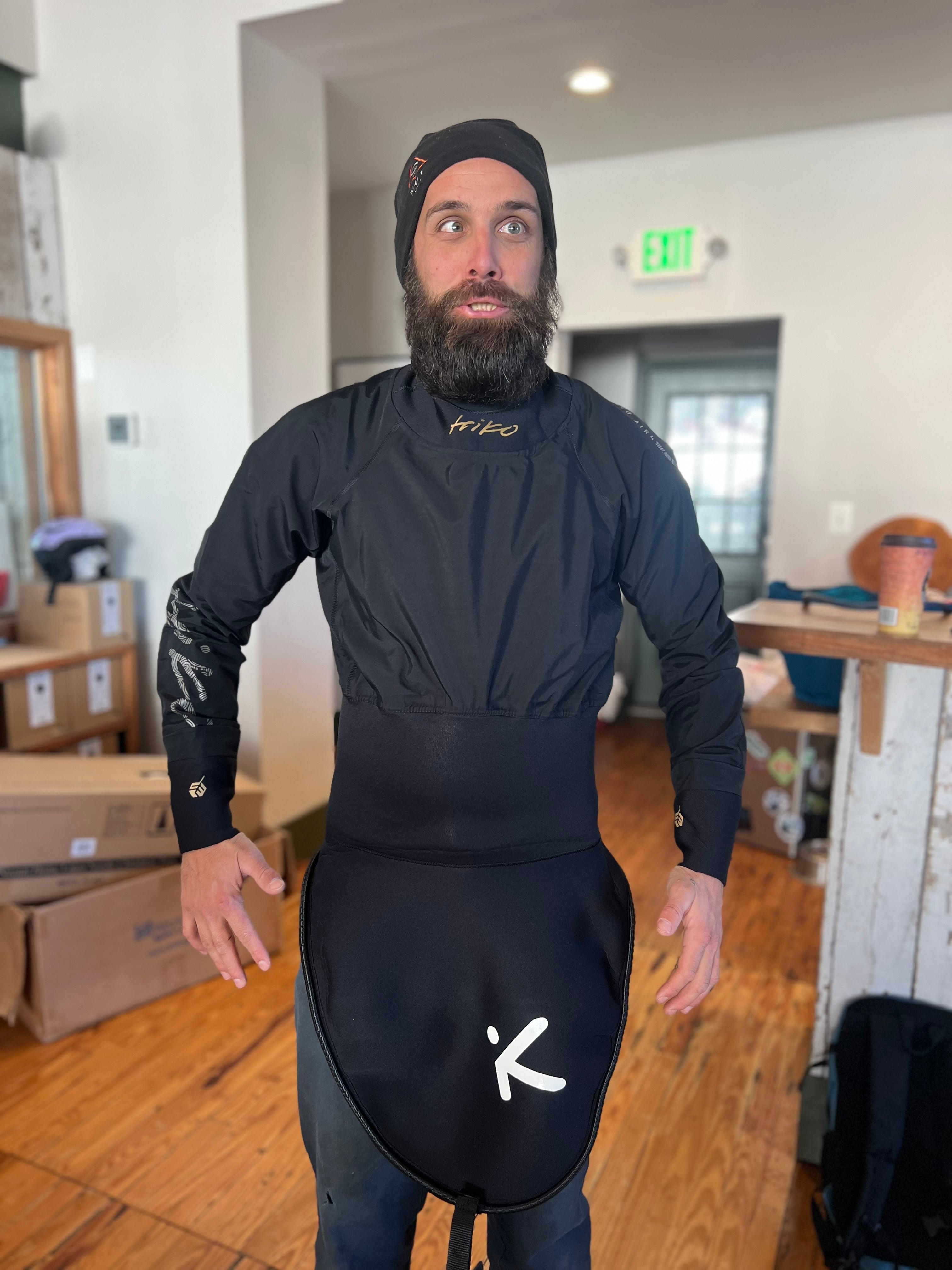
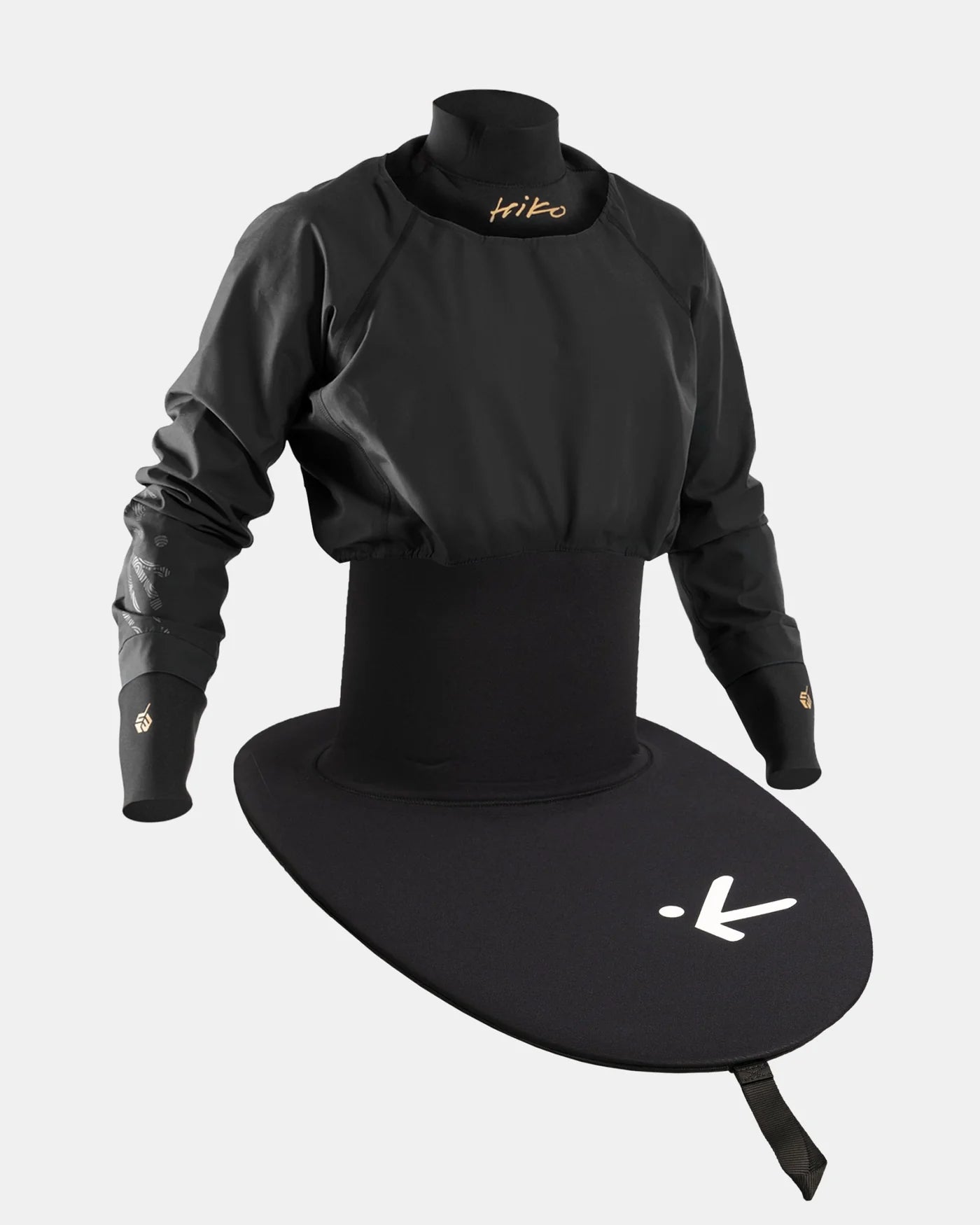
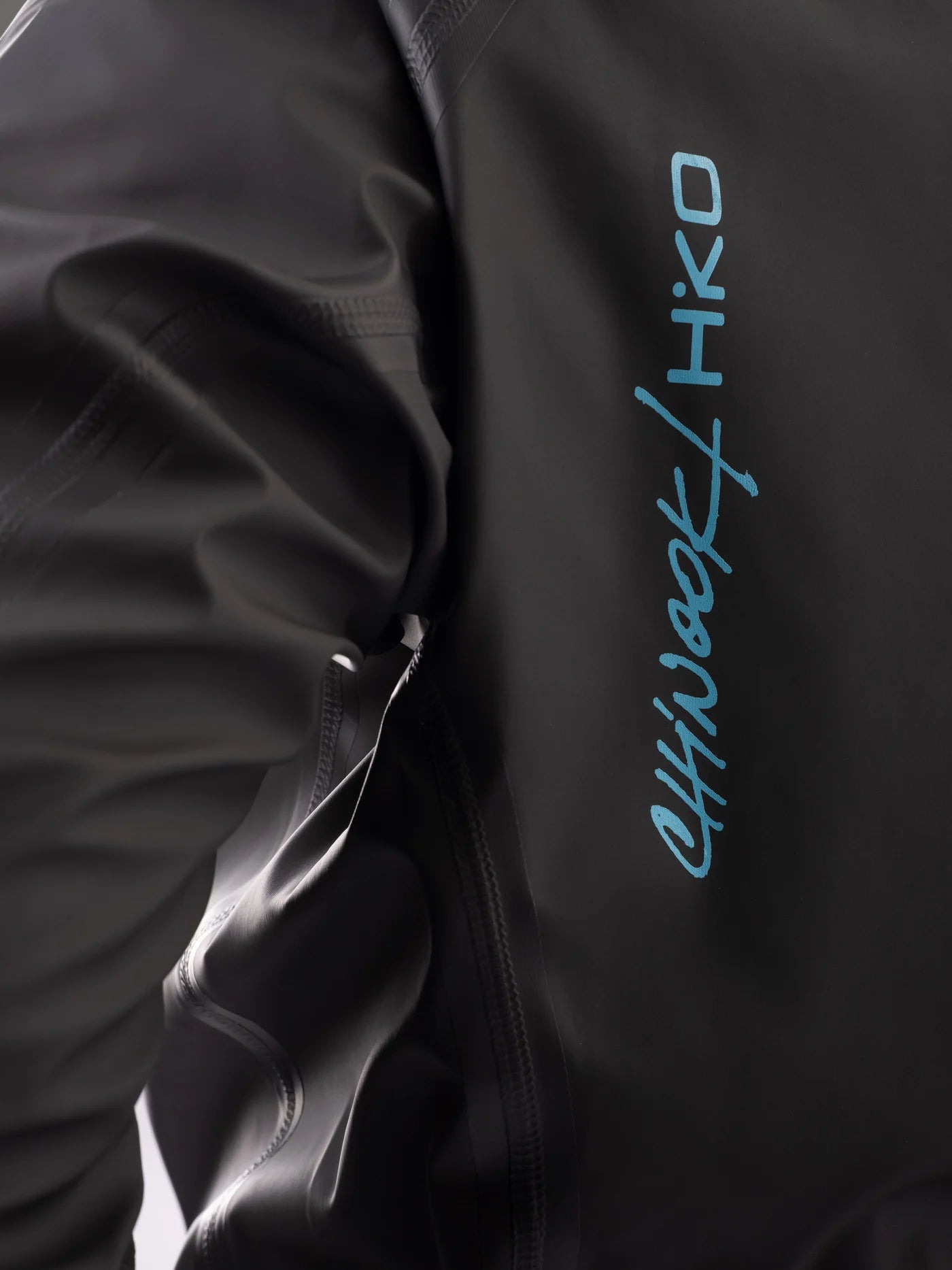
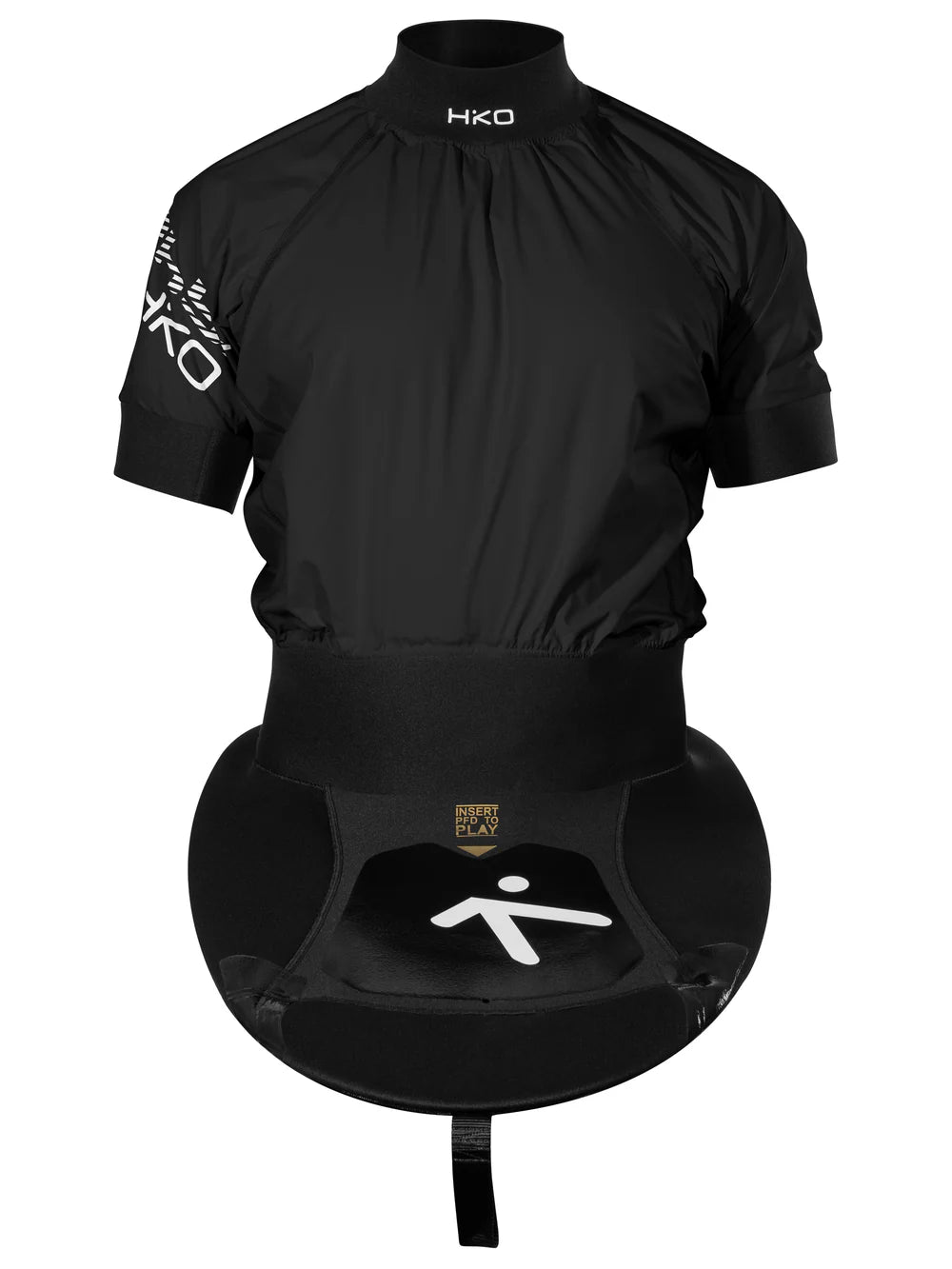
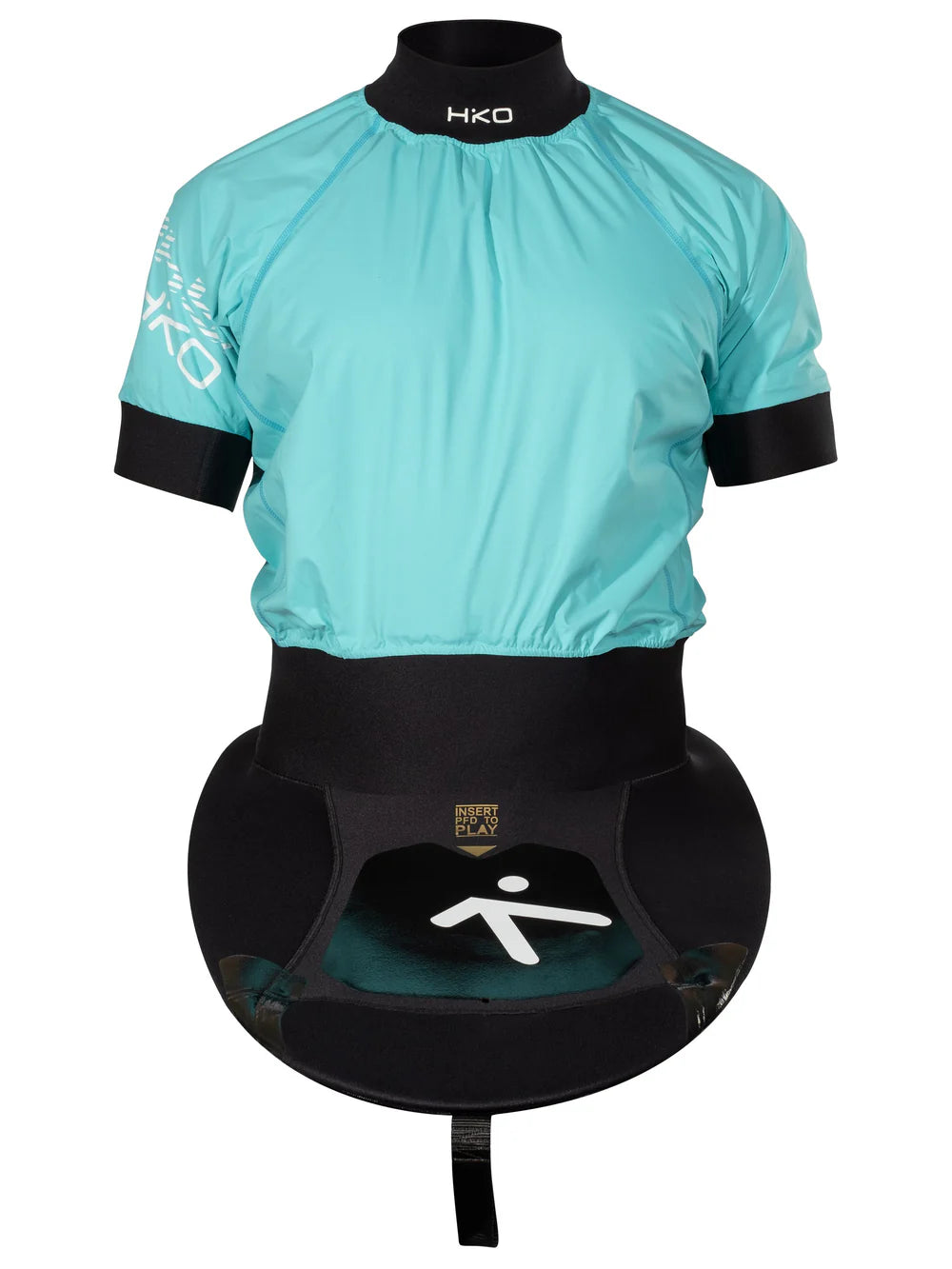
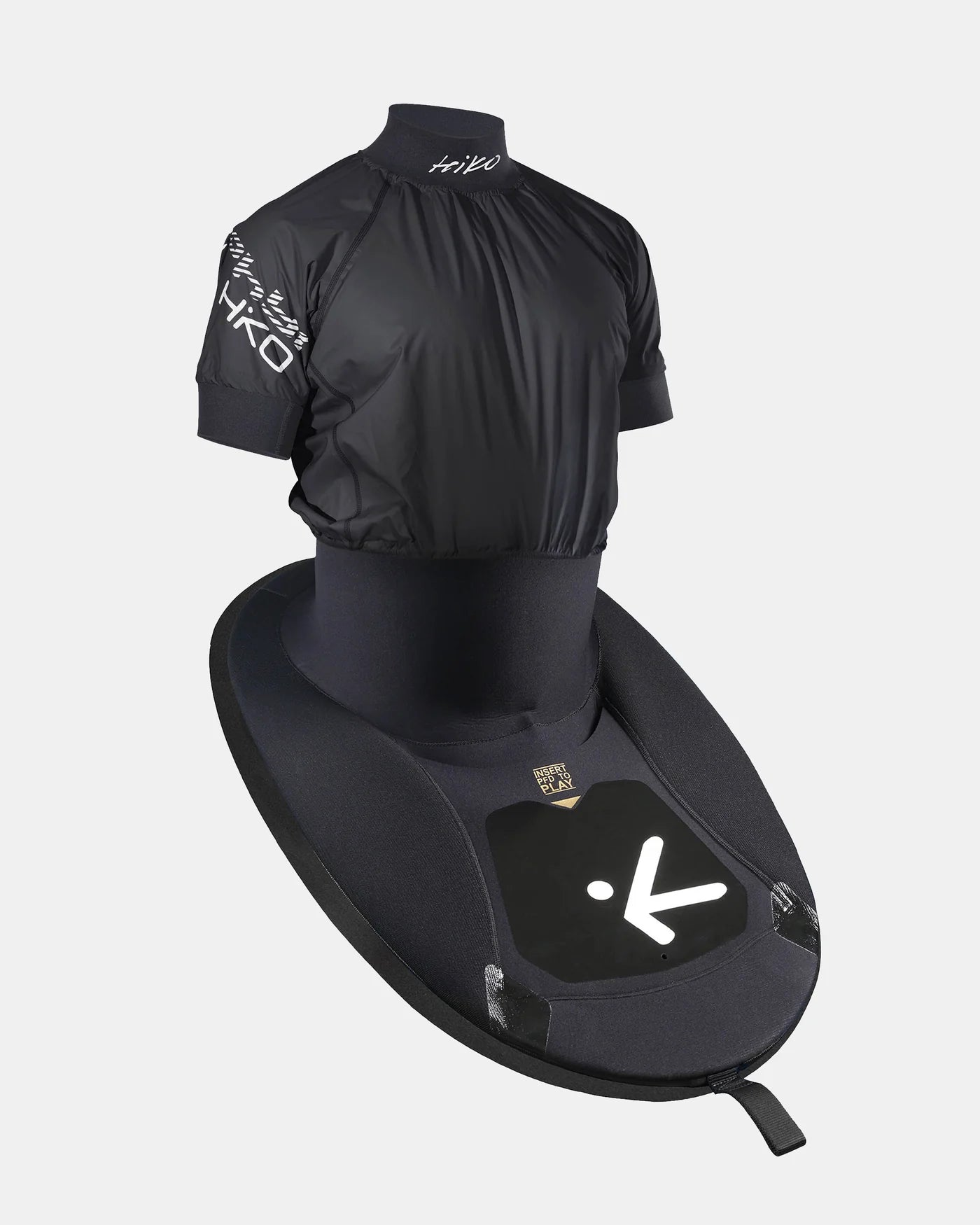
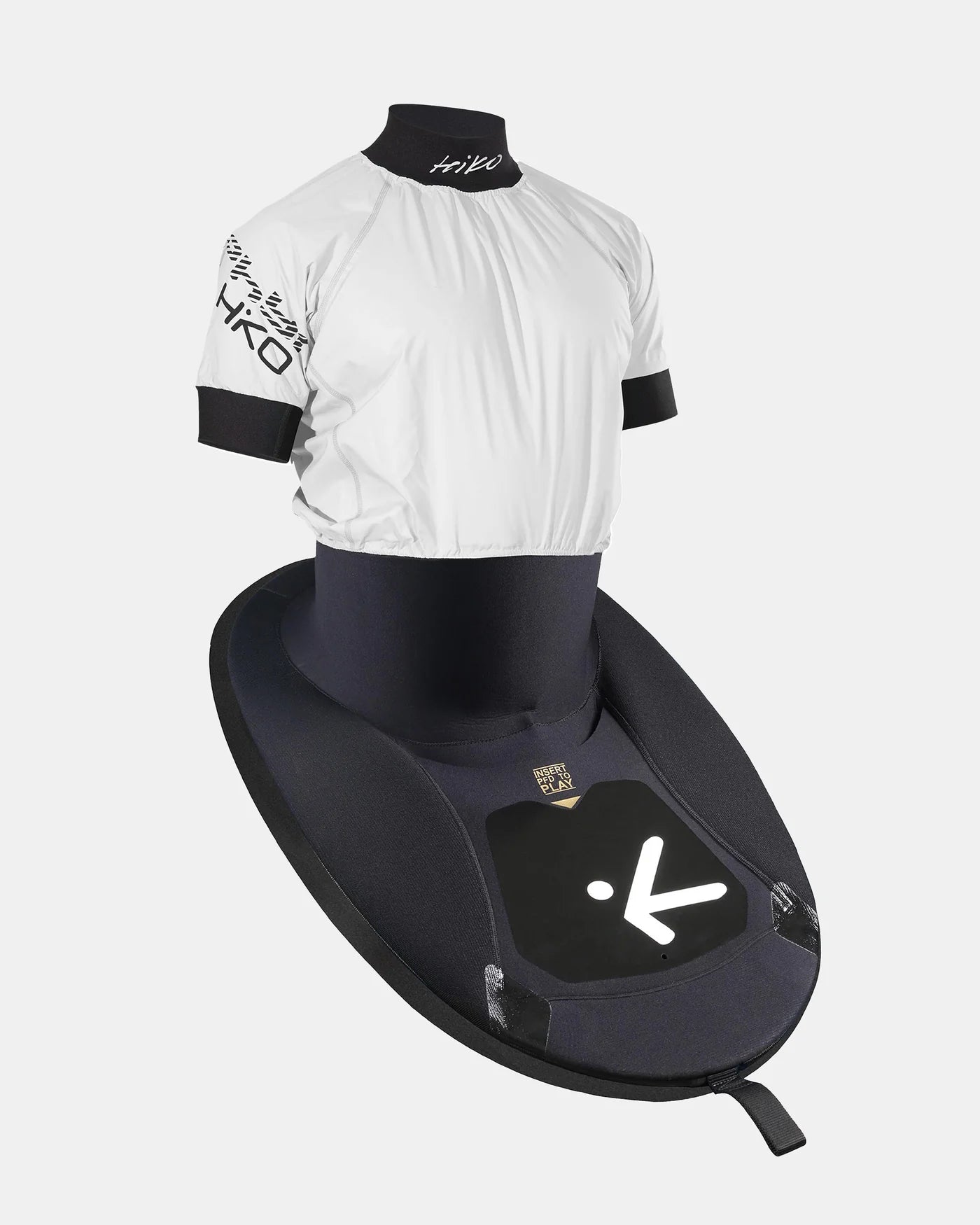
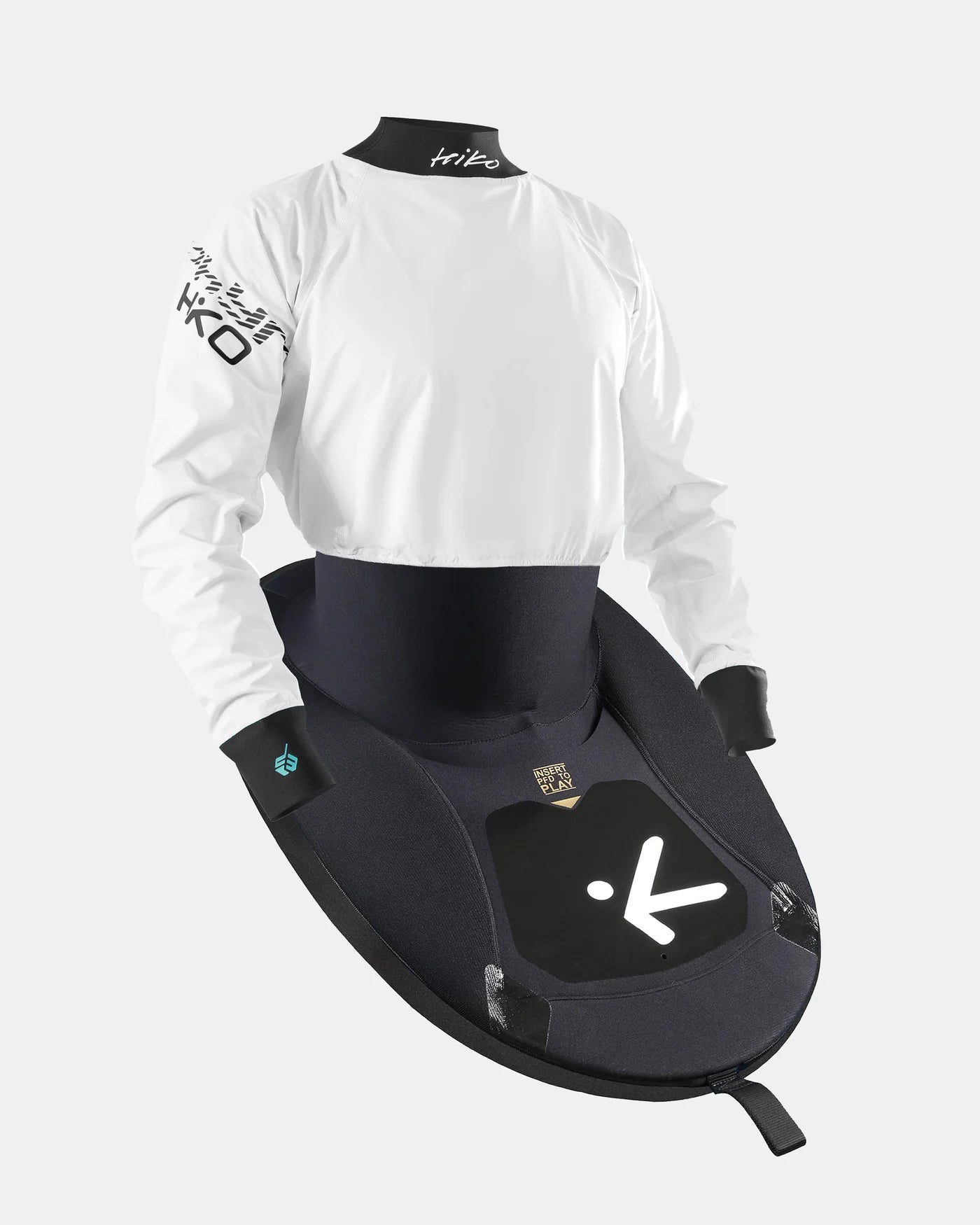
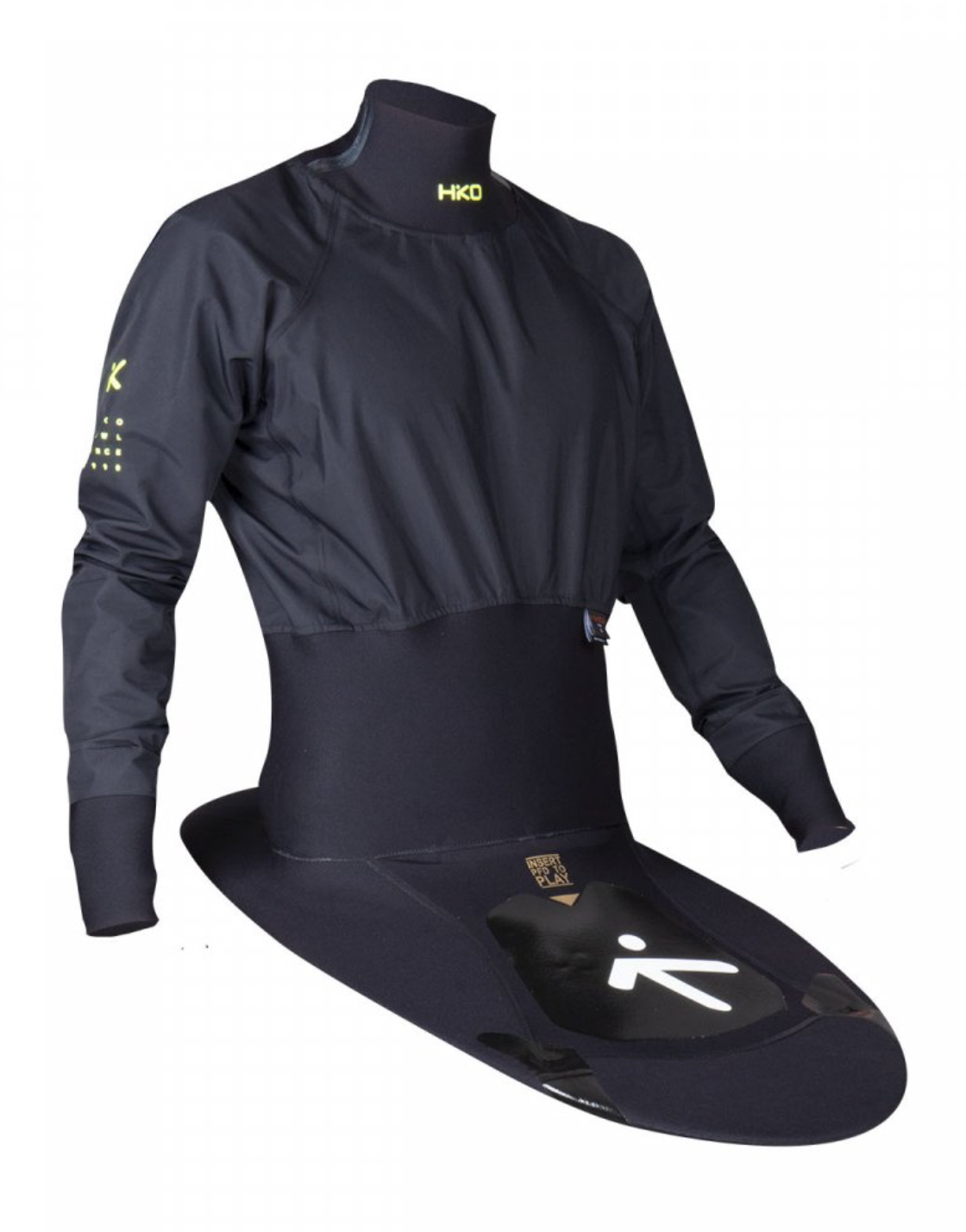
A drytop is a waterproof jacket built for paddling — snug, waterproof seals at the wrists and neck keep water out, while a waist seal (or a connection to a spray skirt) keeps water from creeping in from below. Your legs stay covered by whatever you pair it with — separate paddling pants, a wetsuit, or just quick-drying layers underneath a spray skirt.
Drytops are the more affordable, more breathable option, and they're the right call when the water is cold but the air and overall conditions are more moderate. They're also a natural first step if you're building a cold-weather kit piece by piece rather than buying everything at once.
Choose a drytop if you:
- Want upper-body protection without the cost of a full drysuit
- Paddle in conditions where your legs don't need full waterproof coverage
- Are building your cold-weather gear gradually
Drysuits
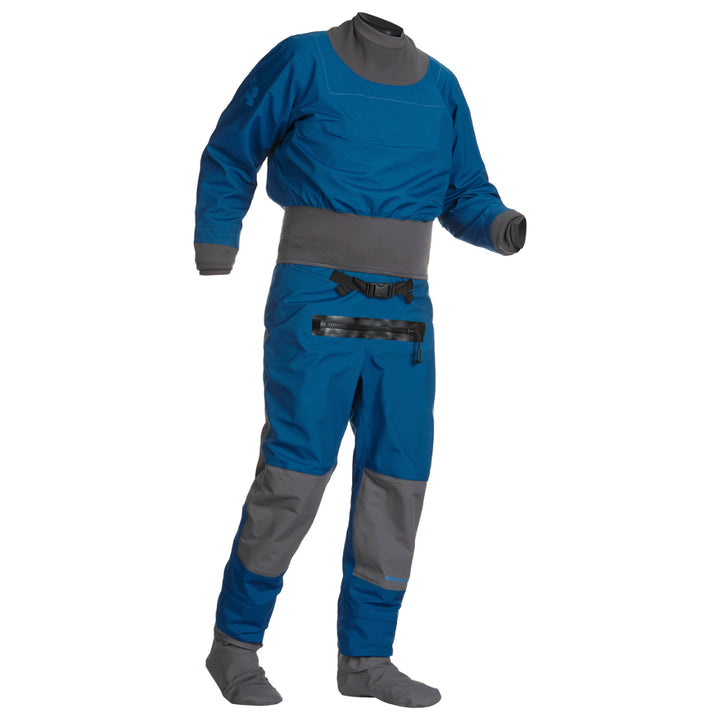
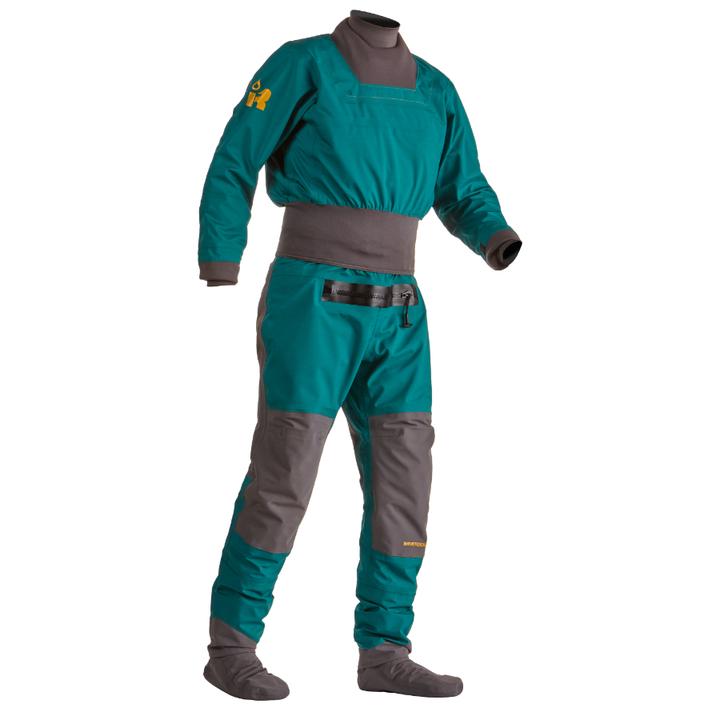
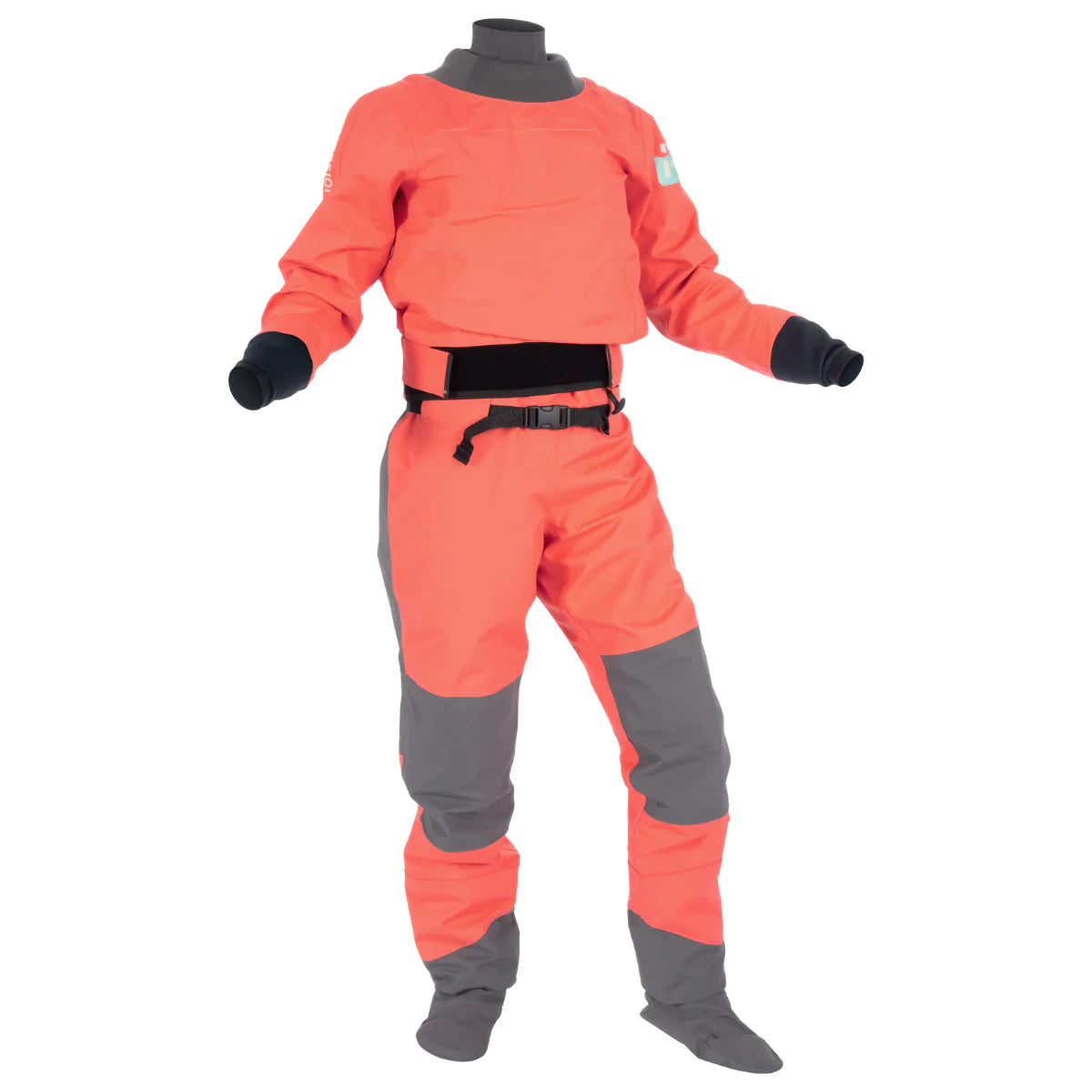
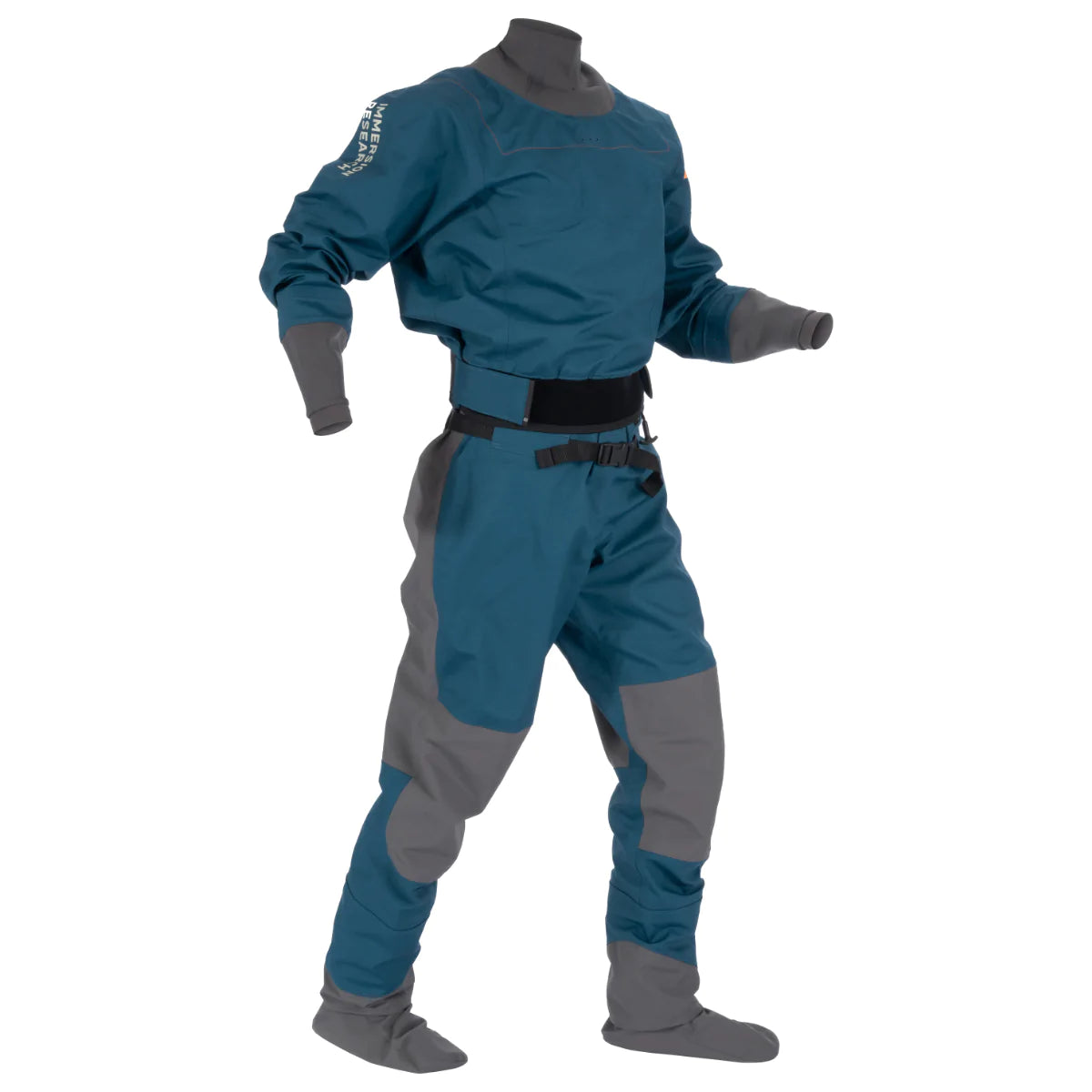
One waterproof piece, head to feet. Total protection from cold water immersion.
A drysuit is a single, full-body waterproof garment with sealed gaskets at the wrists, neck, and feet — if you go for a swim, nothing gets in. Worn with warm layers underneath (never worn like a wetsuit against bare skin), a drysuit keeps you genuinely dry no matter how long you're in the water, which is exactly what matters if you're paddling when the water — or the air — is seriously cold.
This is the gear of choice for winter paddling, early-season runs, and any day where an unplanned swim needs to be an inconvenience, not a real risk. It costs more than a drytop, but it's the only option that removes cold-water immersion from the list of things you have to worry about.
Choose a drysuit if you:
- Paddle through winter or in genuinely cold water conditions
- Want complete protection, not just upper-body coverage
- Are paddling harder or more remote water where an unplanned swim needs to stay a non-event
Not sure which one you need?
If the water's cold but the air is mild, a drytop paired with the right bottoms is often enough. If either the water or the air is seriously cold — or you're paddling water where a swim is more likely — a drysuit is the safer call. When in doubt, ask us in person; this is one piece of gear where getting the fit and coverage right actually matters for your safety on the water, not just your comfort.